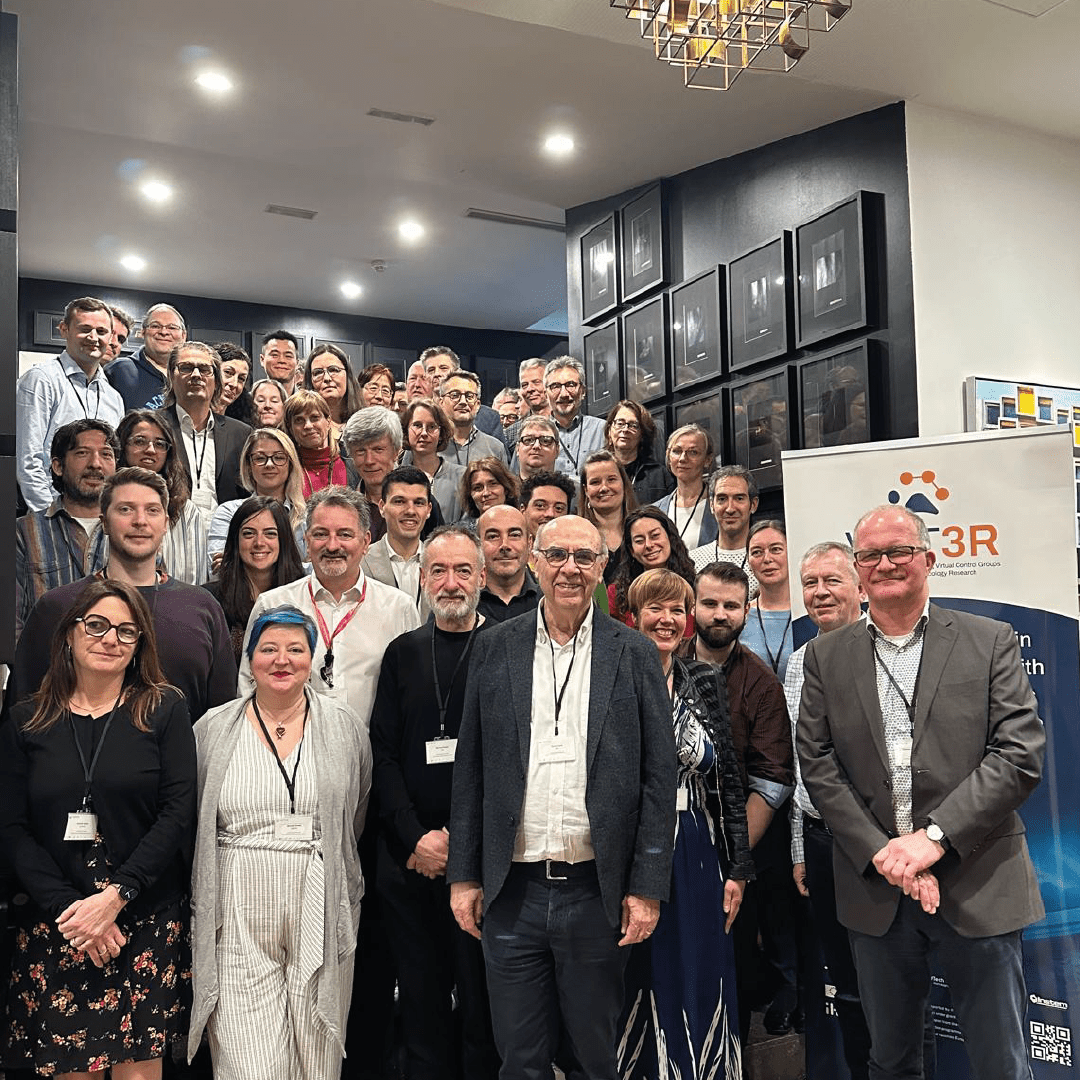
This time, in Minds Behind VICT3R we are pleased to share an insightful interview with the project industry lead, Dr. Thomas Steger-Hartmann (Bayer). Beyond being one of the key minds behind VICT3R and the development of the Virtual Control Group (VCG) concept, Thomas has also been a driving force behind the EMA Qualification Opinion recently launched for public consultation.
1. The EMA Qualification Opinion marks a major milestone, potentially as the first NAM qualified in toxicology assessment. From your perspective, what makes this moment particularly significant?
When NAMs are developed they are frequently commented by the developers or potential users with “we would be ready to apply them, but regulators will first need to accept it”. Our regulatory strategy in VICT3R addressed this issue from the very beginning through a constructive scientific dialogue with EMA and the support of our strong Scientific and Regulatory Advisory Board. It was a tremendous team effort not thinkable to be achieved by a single player. Now we know, it is doable and there is no unsurmountable wall towards regulatory acceptance.2. The qualification focuses on a specific context of use (DRF non-GLP rat studies). How should this be interpreted by the community, and what do you see as the next steps for expanding the use of VCGs?
I can only quote EMA, who talks in their press release about a “blueprint” regarding the Qualification Opinion for the first VCG context of use. This confirms that we have chosen the right scientific approaches and an appropriate regulatory strategy. This provides the roadmap for all further qualifications. It will still be a stretch to qualify VCGs now for GLP repeat dose toxicity studies, given the GLP requirements and the relevance for these studies for First-In-Man studies, but the path forward is clear.3. From an industry perspective, what has been key to building confidence in VCGs?
Numerous aspects come into my mind, but I will limit myself to the following: 1) learnings from previous validations and accepting the inherent variability of in vivo studies, in plain words: “do not just count the asterisks for significant findings in your assessment”; 2) always align with the study directors, they will have to deal with it; 3) you need a strong community of committed partners, as is the case in our VICT3R consortium; 4) regulators are to be perceived as scientists and not as opponents.4. You have been closely involved in driving this work forward. What has been the most rewarding part of this journey so far?
It was and still is the “can do” spirit of the team. This is not trivial – particularly for the industry partners the work in VICT3R is not a core task of their daily business (this if often called as “not business-critical”) which frequently results in “fence-sitting” in such consortia. The engagement and excitement of the VICT3R team driving the qualification and developing the tools was overwhelming.