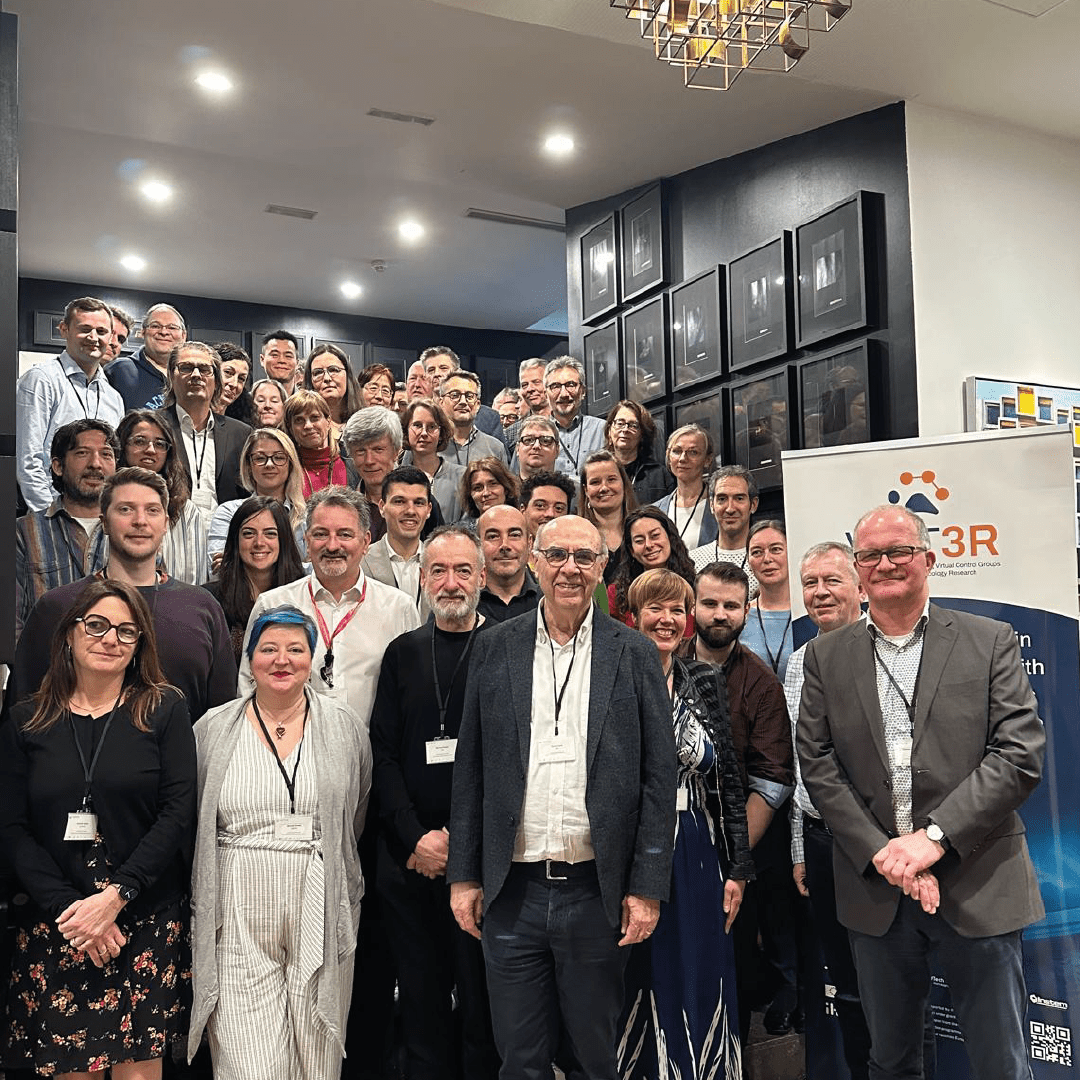
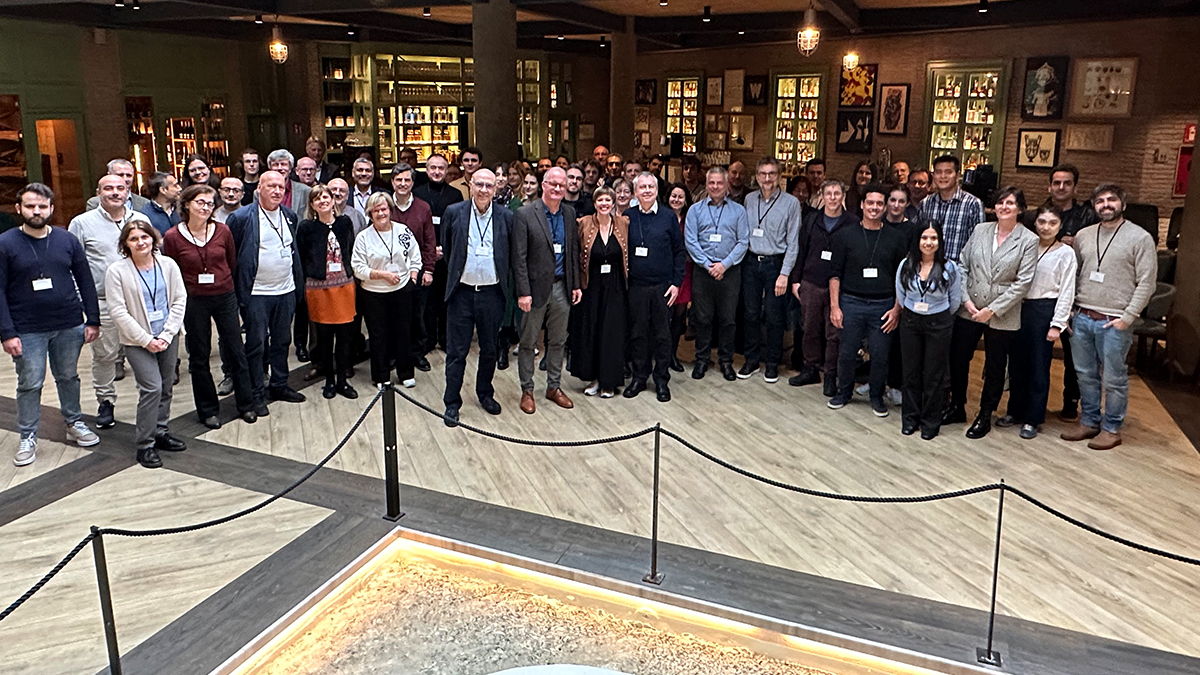
The VICT3R consortium met in Barcelona on 29–30 September 2025 for its 3rd Consortium Meeting and General Assembly, marking the successful close of the project’s first year. With 67 participants attending in-person and another 60 joining online, the event brought together nearly 130 partners and collaborators from academia, industry, small and medium-sized enterprises, and members of the project’s Scientific and Regulatory Advisory Board to reflect on achievements, share insights, and plan the road ahead.
The week kicked off with a hands-on satellite session where partners rolled up their sleeves to test the VICT3R data platform using a sample study plan. Feedback from this exercise will help shape further development of the tools. What stood out most? That just one year in, VICT3R already has an operational database containing more than 100,000 control animal datasets and functional querying tools − a remarkable milestone on the journey toward real-world application.
The rest of the two-day program spanned all work packages, with highlights including:
As part of these collaborations, the consortium welcomed representatives of the IMI-BigPicture project, who joined the meeting face-to-face to explore synergies, particularly around leveraging the BigPicture Whole Slide Image database to advance shared goals.
From a regulatory perspective, a key highlight was a session led by Patience Browne (OECD), member of VICT3R’s Scientific and Regulatory Advisory Board. Her clear explanation of the differences between OECD Guidance and Guidelines documents − and how they are developed − offered essential insights into how scientific innovations like VCGs can become recognized regulatory standards. For VICT3R, this was a timely and important step toward eventual OECD acceptance of the VCG concept.


The VICT3R Community also includes organizations collaborating through dedicated CRO Collaboration Agreements. These organizations presented the VCG-related work underway within their institutions, helping to prepare the ground for prospective joint VCG studies with the consortium. Their involvement is a vital bridge from concept to practice, ensuring that VCGs are not only scientifically rigorous but also usable in everyday study settings.
Immediately after the meeting, the consortium launched its first Datathon, held over two days in hybrid format. Organized around four challenges, the Datathon focused on testing and co-developing methods to make VCGs more robust, reliable, and practical for scientific and regulatory use. The format fostered focused collaboration and accelerated progress across partners.


Beyond presentations and technical sessions, the meeting also created valuable space for networking and informal exchanges, strengthening the collaborative spirit that defines VICT3R, and helping align priorities for the project’s second year.
With its first year now complete, VICT3R has already made significant progress toward demonstrating the potential of VCGs as an alternative to reducing the reliance on concurrent control animals in toxicology studies.
We warmly thank all members of the VICT3R Community for their contributions, with special appreciation to our Scientific and Regulatory Advisory Board for their guidance throughout the event. We look forward to meeting again in Barcelona for the 4th Consortium Meeting and General Assembly in February 2026.
Stay tuned for more updates as VICT3R moves into its second year!